
SAFETY AVIATION COMMUNICATION
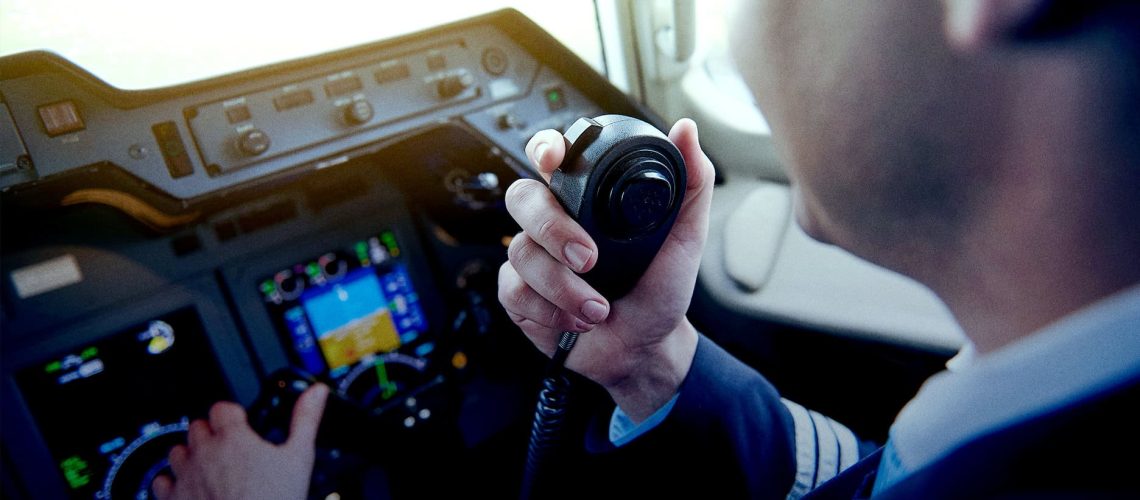
English: the Standard language in aviation
The Chicago Convention ha established English as the official standardized language to be used in Aviation.
English speaking countries dominated the design, manufacture and the operation of aircraft, so it made sense to have English as the standard language in Aviation.
This choice allows to avoid misundestanding and confusion, that could have effects on air safety.
Challenges for non-native English speakers
Non-native English speakers have to learn basic English phraseology as all aircraft
- manuals
- rules
- regulations
- checklists
are written in English.
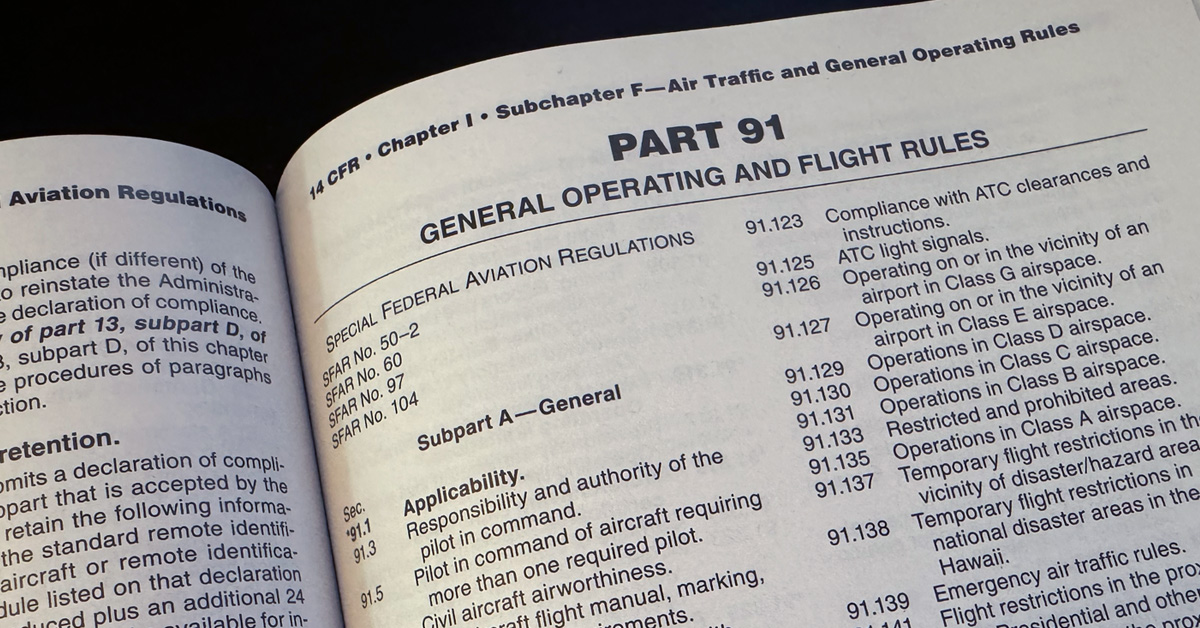
This may be a problem if English is a second language, infact it has played a big part in past accidents.
Problems can arise when other pilots in the area cannot fully understand the accent of another pilot.
Types of Communication Problems
These problems can be born from:
- MISCOMMUNICATION
- MISHEARING
- MISUNDERSTANDING
MISCOMMUNICATION
It means broken communication, so the message sent is different from the message received.
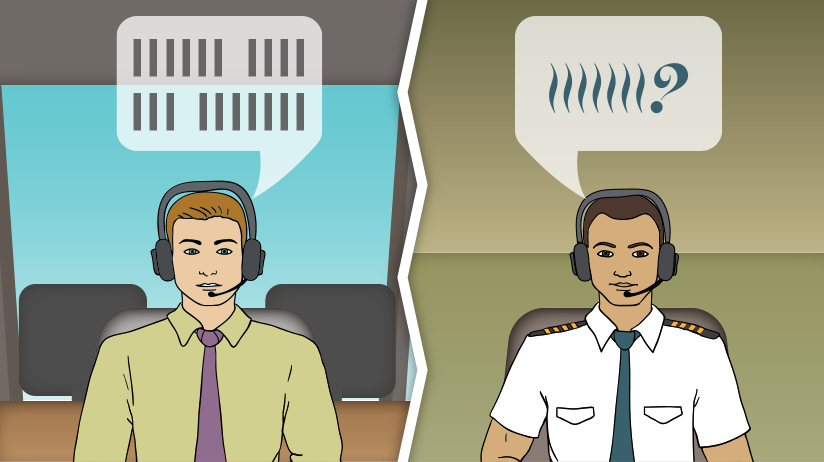
MISHEARING
It happens when the message sent cannot be heard by the receiver because of radio problems, interference or noise.
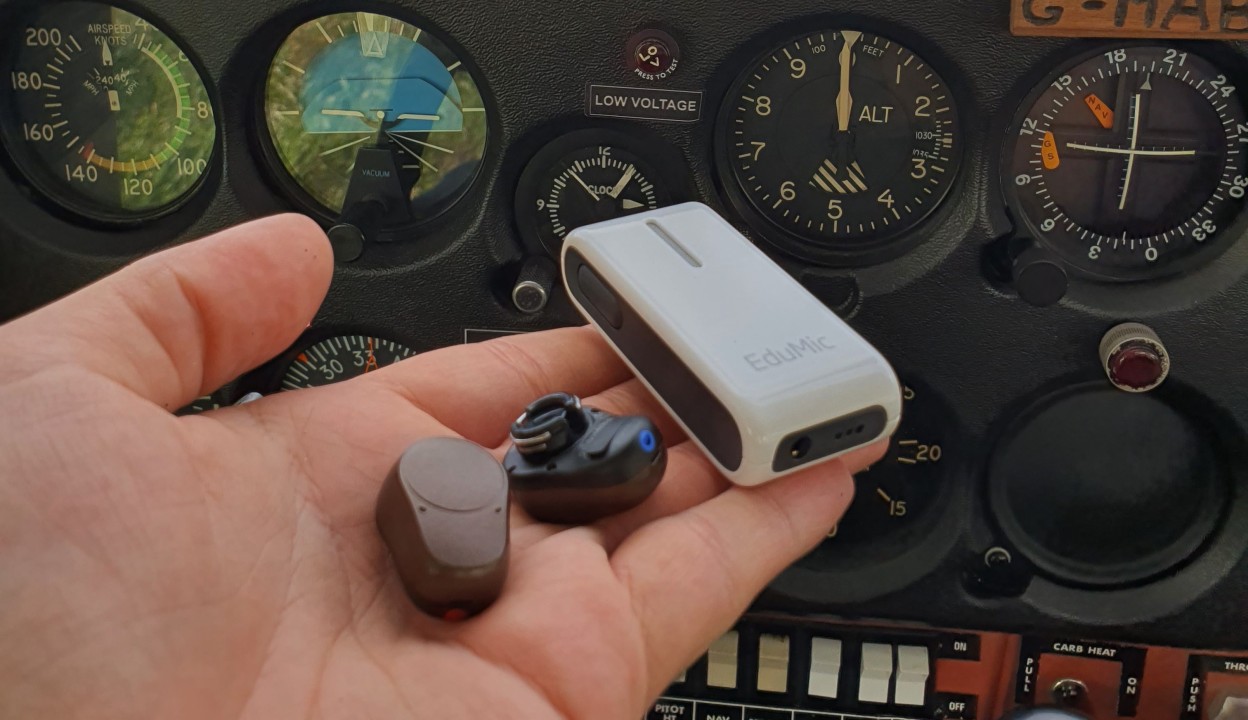
MISUNDERSTANDING
It depends on language problems.
The receiver receives the message but gives it a different meaning that doesn't correspond to the sender intention.
This may be due to incorrect pronuncation, lack of fluency.
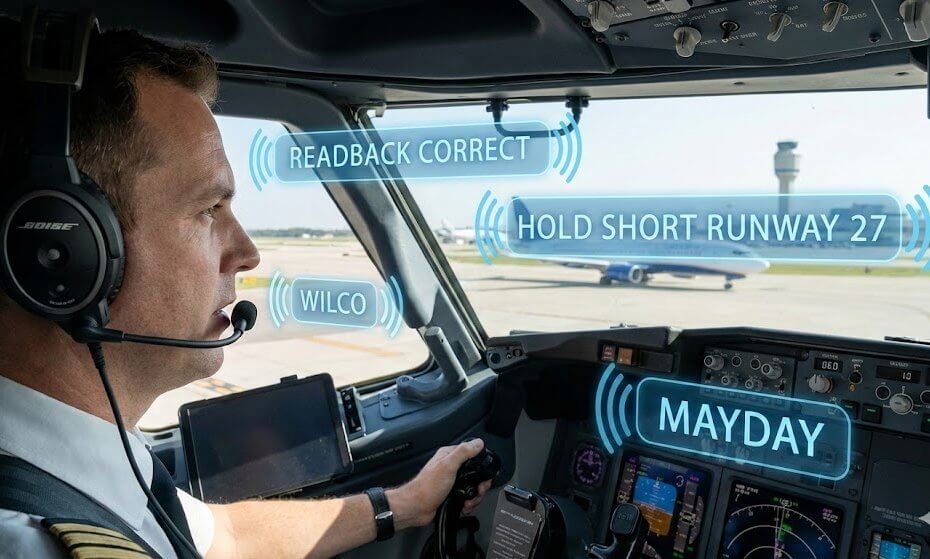
Standard ICAO phraseology
International standards of phraseology are laid down in ICAO Annexes 10.
Sometimes, Non standard phraseology is adopted by national or local air traffic services to alleviate problems; but it is always better to use standard phraseology because it minimises the potential of misunderstanding.
The importance of fluency
Even too much fluency may cause a problem.
Both lack of fluency and eccessive fluency are critical as the meaning of a piece of communciation may result ambiguous.
Air Traffic Controller training
Air Traffic Controller have to be trained to use unambiguous standard aviation English and have to:
- speak clearly and not too fast
- avoid idiomatic expressions
- use appropriate call signs
- ask for readback